
A critical examination of Russia’s military strategy, political stability, and the future of the conflict following recent setbacks in Ukraine.
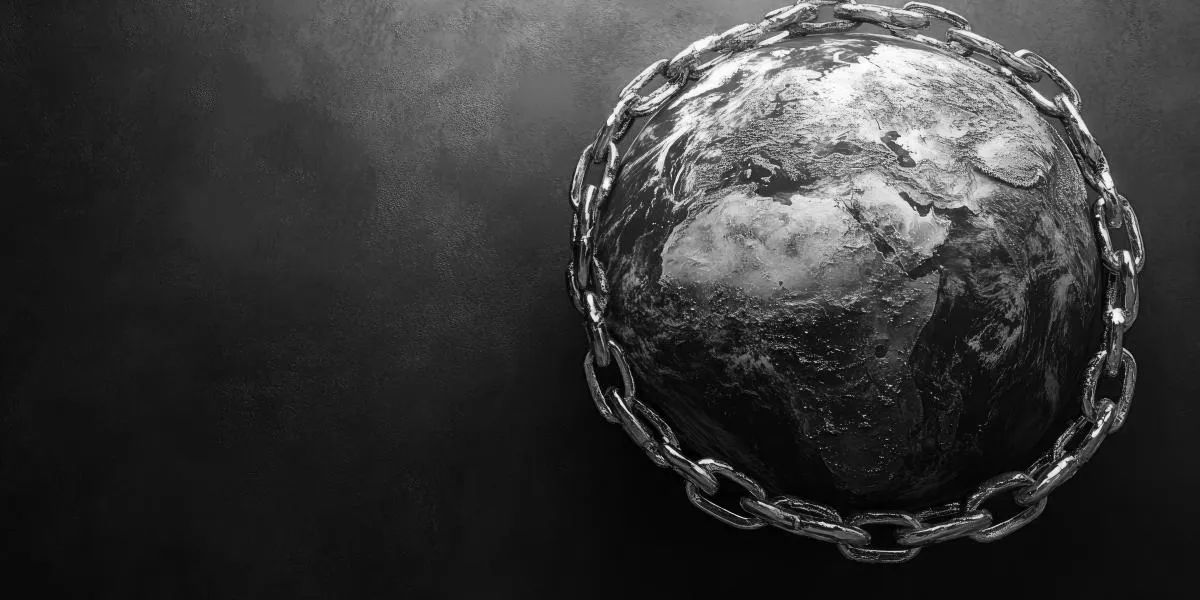
The war in Ukraine is no longer defined by initial Russian territorial ambitions or rapid battlefield successes. It is increasingly defined by Russia’s struggle to maintain control on multiple fronts, both on the military battlefield and within its domestic political and economic structures. From operational setbacks in Ukrainian territory to the cumulative weight of Western sanctions, Vladimir Putin is facing a critical moment, not just in military command, but in the structural integrity of his power.
A New Reality of Military Limitations
Russia’s approach in Ukraine, initially predicated on state coordination, long-term strategic planning, and conventional dominance, has encountered systematic failures. The assumption of rapid victory has dissolved into a protracted conflict, challenging Russian capabilities. The institutions responsible for sustaining the war are not just economic instruments; they function as geopolitical indicators, designed to maintain global power but now revealing strategic cracks and reliance on internal repression. This dynamic is less about dominating Ukrainian territory openly and more about Poutine’s fight to secure his positioning at the center of the Russian state system.
Strategic Challenges and Domestic Stability
Sanctions and Political Authority
Western investments in isolating Russia, targeted sanctions on strategic infrastructure, and restrictions on critical materials are not simply commercial penalties. They reinforce long-term pressure on the Russian state by targeting the building blocks of Putin’s political legitimacy and military-industrial base.
International Support and Battlefield Flows
Through Ukrainian persistence and Western industrial partnerships, the West strengthens its ability to influence the war’s trajectory and industrial flows, consolidating support that Western economies still commit to providing.
Implications for Western Economies
For Western powers, the challenge is not only military support; it is systemic and long-term. How do you reduce geopolitical dependency on aggressive regimes without destabilizing markets? How do you counter localized conflict without escalating into direct global confrontation? Russia’s model of power, once seemingly systemic and difficult to reverse, now appears increasingly fragile when confronted with unified resistance.
This analysis is part of our ongoing series on global power shifts and strategic competition.